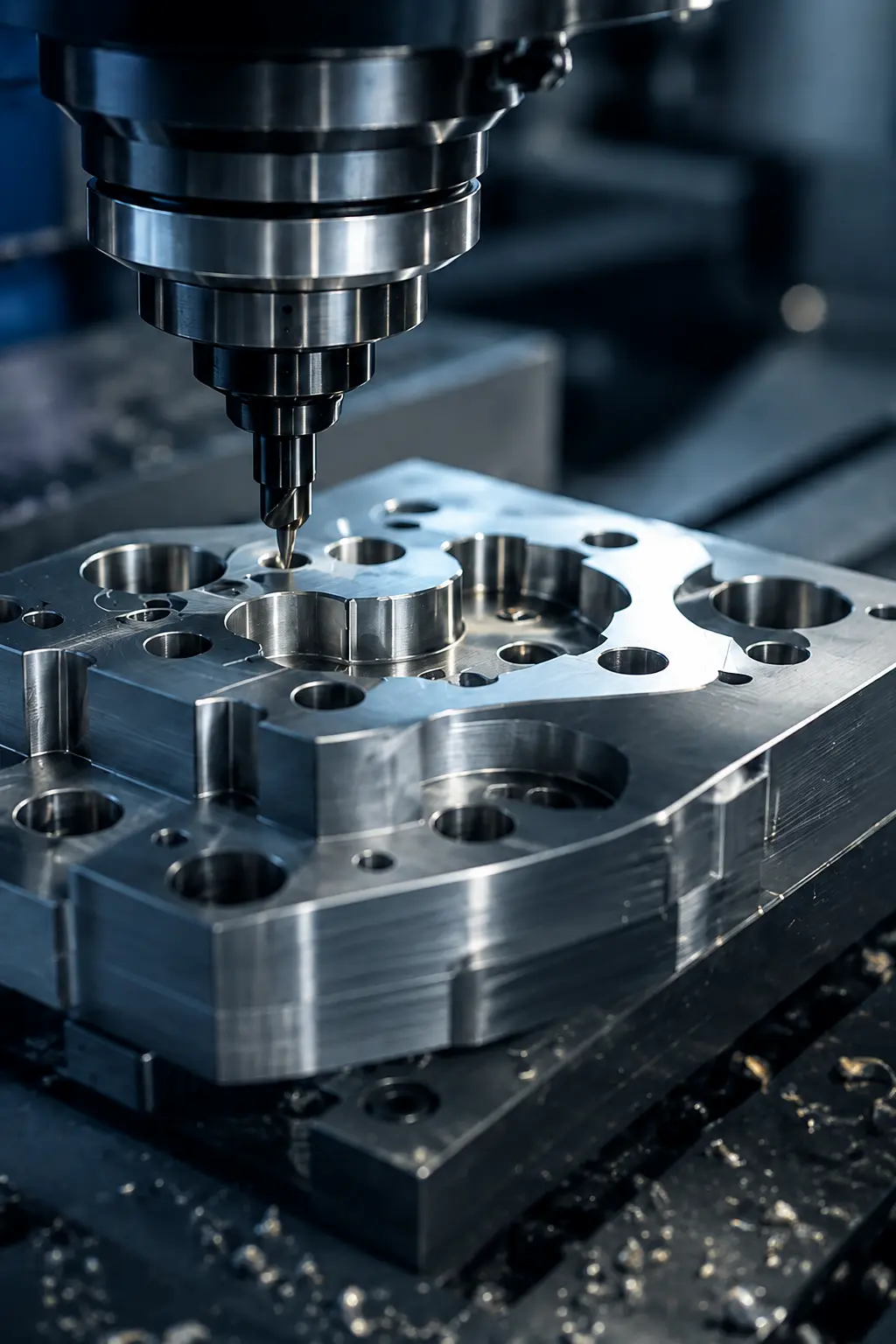
Start with a Drawing
Send a drawing, 3D model, or sample — we analyze diameters, fits, threads, material, tolerances, and turning requirements.
We perform turning operations based on drawings and 3D models: manufacturing metal parts such as shafts, bushings, axles, flanges, threaded elements, and other rotational parts for one-off and serial orders.
Accuracy
up to ±0.01 mm
Parts
of rotational geometry
From 1 Part
to serial production
Steel, Aluminum
and other materials
Modern
CNC lathes
Inspection
of every dimension
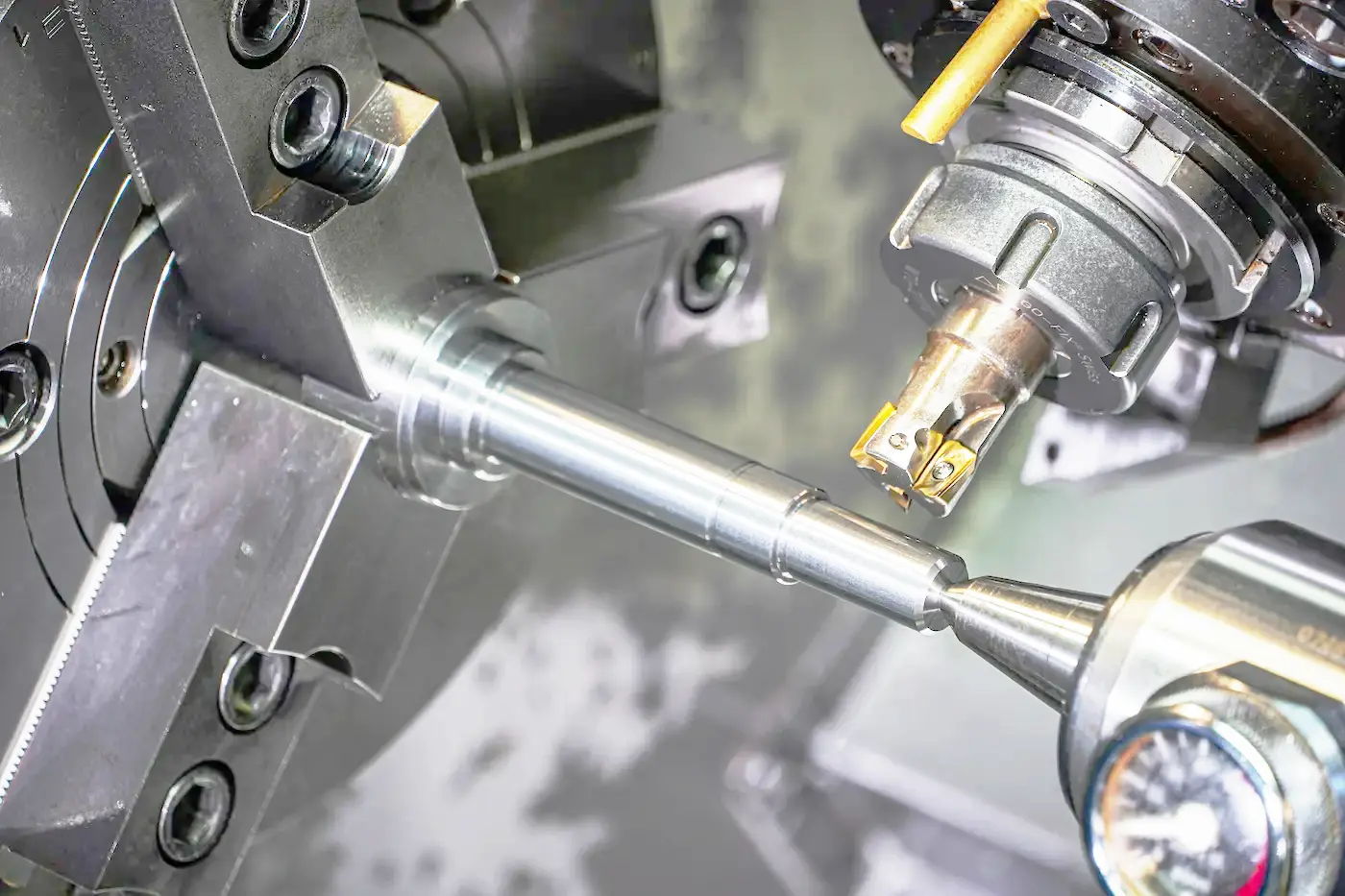
Turning is a machining process in which the workpiece rotates around its axis while a cutting tool removes material until the required shape and dimensions are achieved. On CNC lathes, the program accurately reproduces the geometry from a drawing or 3D model, forming external and internal surfaces, grooves, chamfers, threads, seating surfaces, and holes with high repeatability. This technology is suitable for manufacturing rotational parts with precise tolerances, consistent quality, and controlled surface finish.
Turning is used to manufacture shafts, axles, bushings, flanges, pulleys, rings, threaded elements, housing inserts, and other cylindrical parts. The technology is suitable for mechanical engineering, instrument manufacturing, repair production, industrial equipment, and serial part manufacturing — from a single prototype to a batch with consistent dimensions, maintained tolerances, and stable quality.
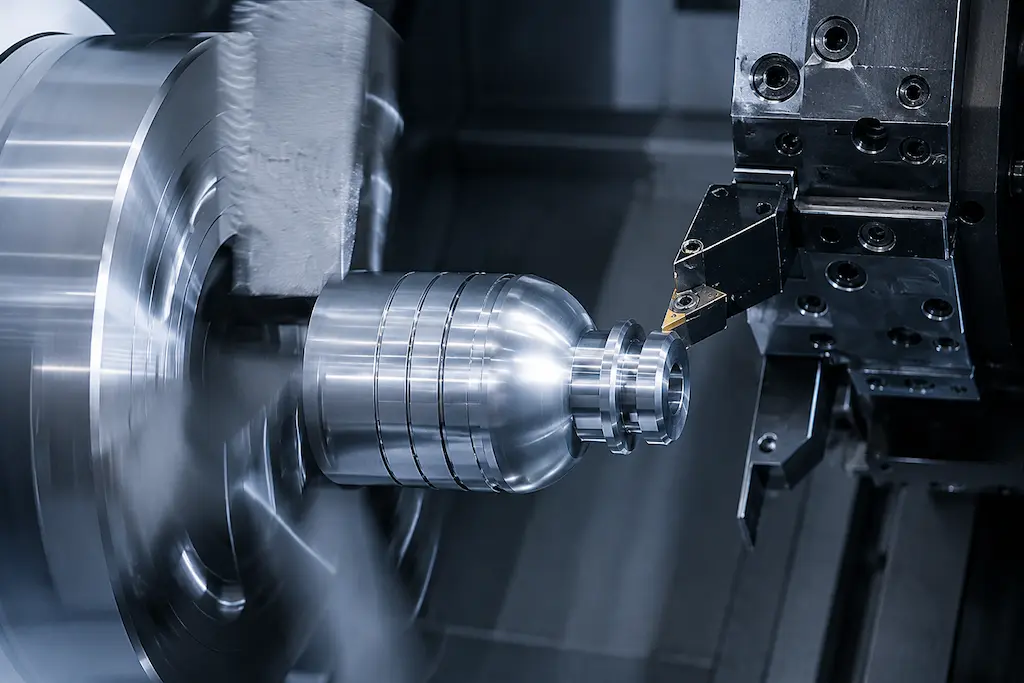
Steel is most commonly used for turning operations in Ukraine. It is used to manufacture shafts, axles, pins, bushings, flanges, nuts, threaded parts, and seating elements. The steel grade is selected based on strength, wear resistance, and the operating conditions of the part.
Typical grades:
Stainless steel is used for parts that operate in humid, aggressive, or food-processing environments. It is more difficult to machine than conventional structural steel, but provides high corrosion resistance and a longer service life.
Typical grades:
Aluminum alloys are used for lightweight parts where low weight, good machinability, and stable geometry are important. Aluminum is turned into bushings, rings, flanges, pulleys, housing elements, and prototypes.
Typical grades:
Non-ferrous metals machine well and make it possible to achieve a clean surface without complex additional processing. Brass is often used for fittings, nuts, and bushings, bronze for wear-resistant parts, and copper for electrically and thermally conductive elements.
Typical materials:
Engineering plastics are used for parts requiring low weight, low friction, electrical insulation properties, or chemical resistance. They are used to manufacture bushings, rollers, guides, insulators, rings, gaskets, and prototype parts.
Typical materials:
Titanium is used less frequently, mainly for critical parts where low weight, high strength, and corrosion resistance are required. The material is difficult to turn, so it requires the correct tooling, cooling, and cutting conditions.
Typical grades:
Parts up to 600 mm in diameter and up to 3000 mm in length can be manufactured. Larger dimensions are agreed separately depending on the equipment and workpiece clamping method.
Standard turning accuracy is up to ±0.05 mm. Tighter tolerances are possible for seating surfaces and critical dimensions in accordance with the drawing.
Coaxiality, cylindricity, radial and axial runout, face perpendicularity, and surface concentricity are controlled in accordance with the drawing requirements.
Unless otherwise specified on the drawing, general tolerances are applied in accordance with ISO 2768. Shaft and hole fits are specified separately.
For seating diameters, shaft journals, and precision holes, manufacturing accuracy of up to ±0.01 mm is possible when the corresponding requirements are specified in the drawing.
The minimum hole diameter is from 1 mm. The minimum groove or recess width is from 1 mm depending on the material and part design.
We manufacture external and internal metric threads from M2, pipe threads, as well as non-standard threads according to the drawing.
Standard surface roughness after turning is Ra 3.2–6.3. For seating and working surfaces, Ra 0.8–1.6 can be achieved.
Sharp edges are usually deburred and broken with a 0.2–0.5 mm chamfer. Other chamfers, radii, and grooves are produced according to the drawing.
Send a drawing, 3D model, or sample — we analyze diameters, fits, threads, material, tolerances, and turning requirements.
Receive a cost and lead time estimate before production begins — without unnecessary calls or waiting.
We check finished parts for compliance with the drawing, agreed dimensions, fits, threads, and machining quality requirements.
You receive finished turned parts without coordinating production and logistics — Axion Systems handles everything.
Examples of parts manufactured by turning based on drawings, 3D models, or technical specifications.
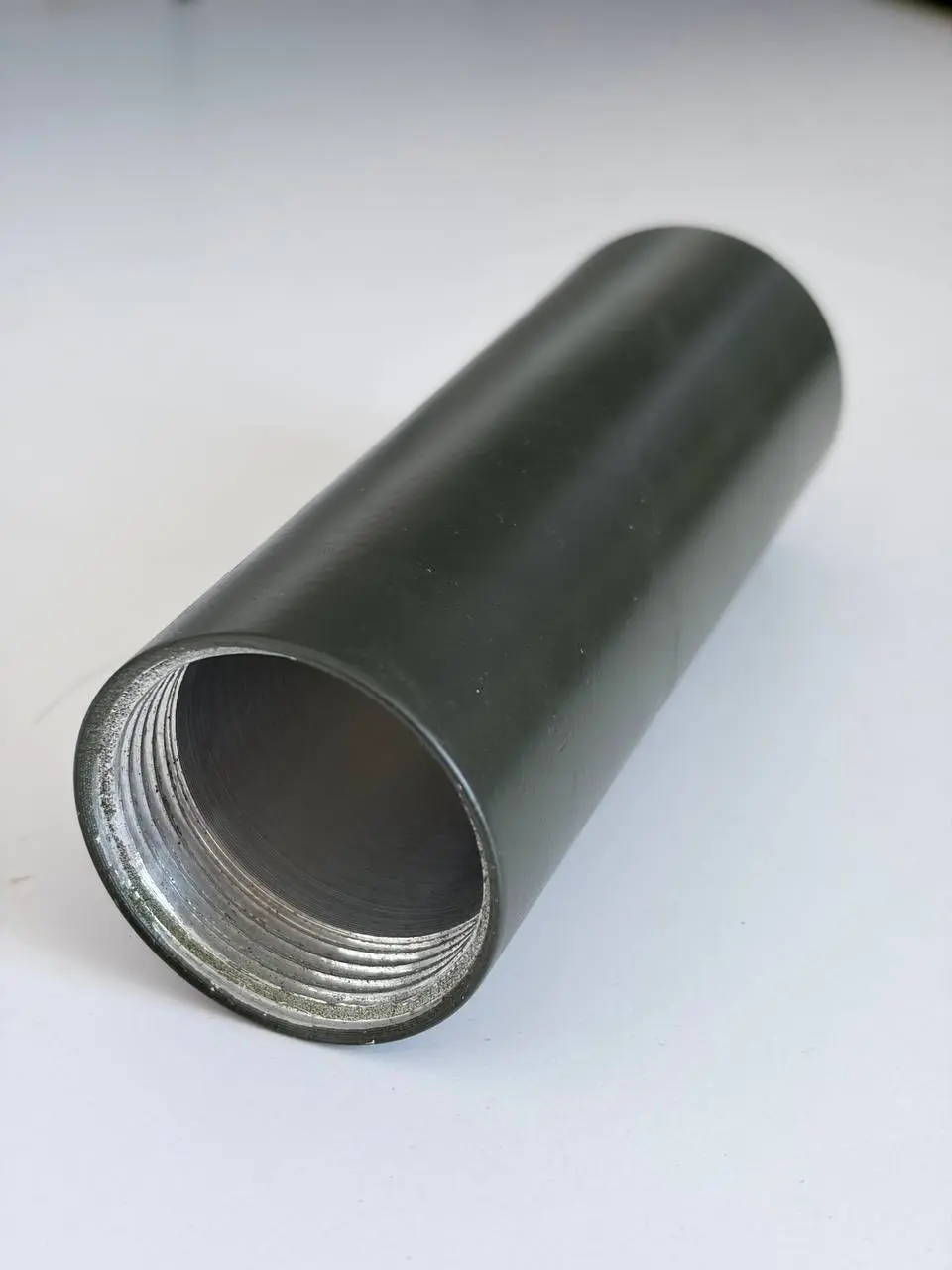
Material: aluminum 6082. CNC turning, powder coating. Batch — 50,000 pcs.
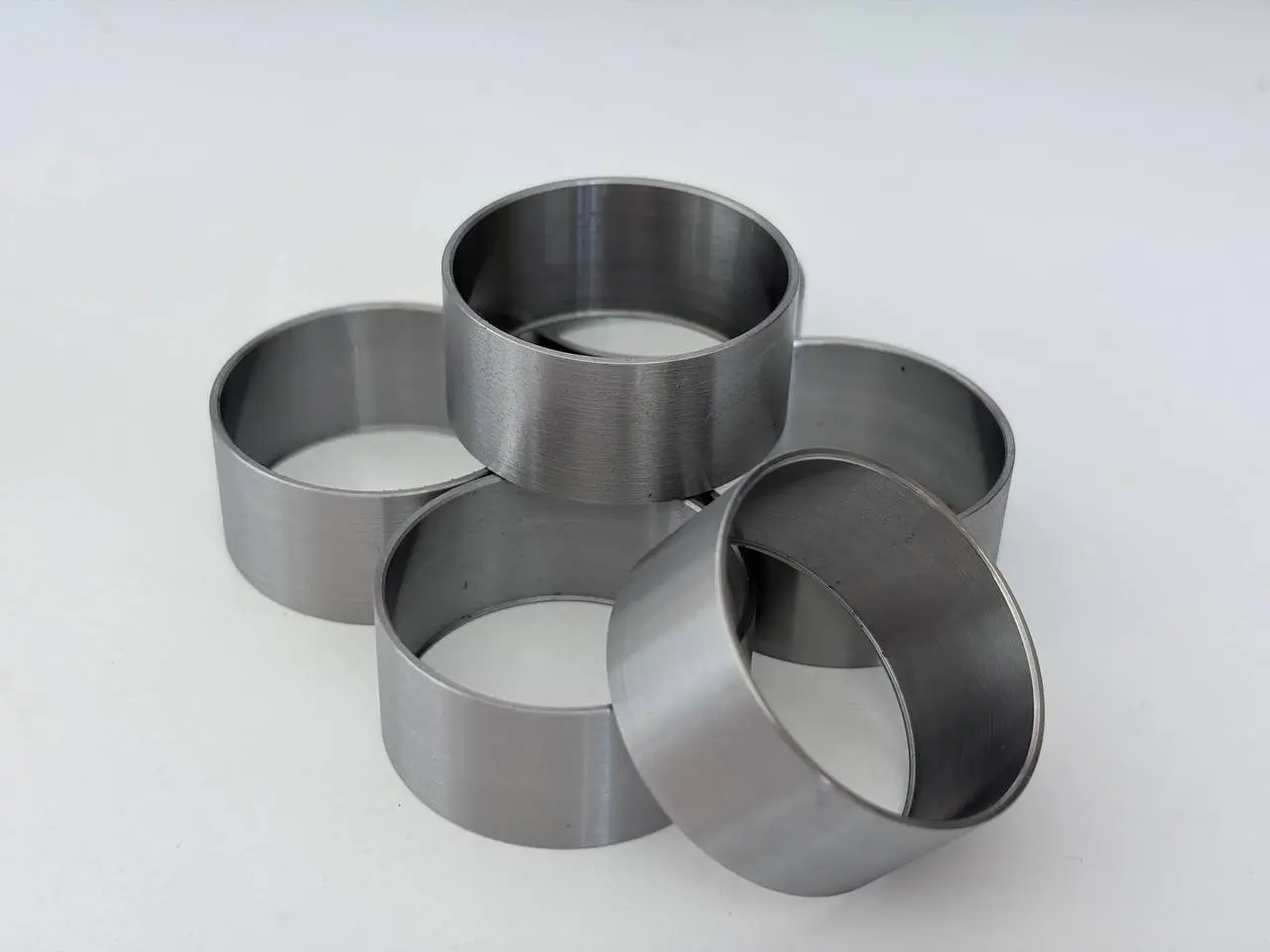
Material: steel 20. CNC turning. Batch — 300 pcs.
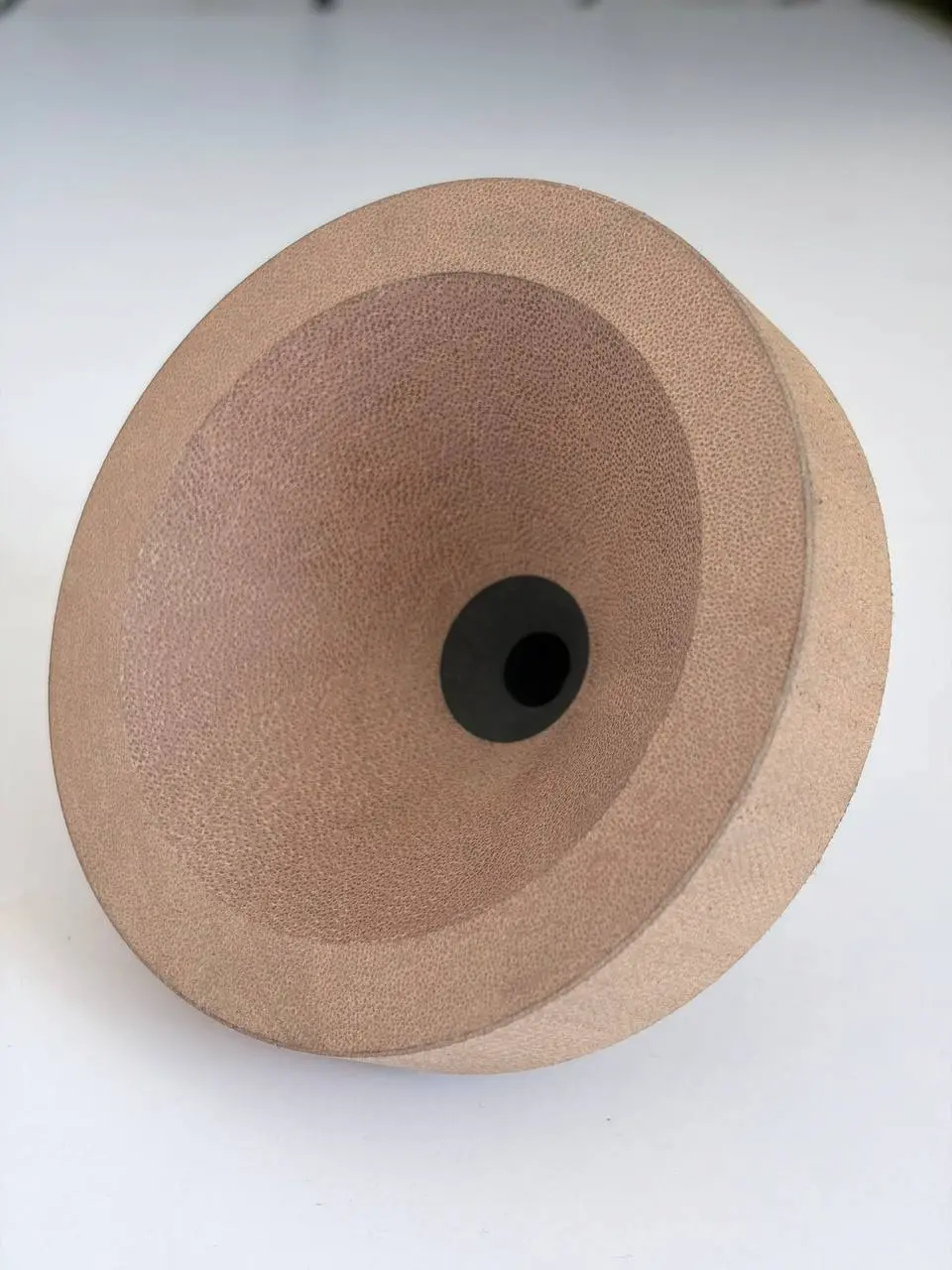
Material: textolite PT. CNC turning. Batch — 15 pcs.
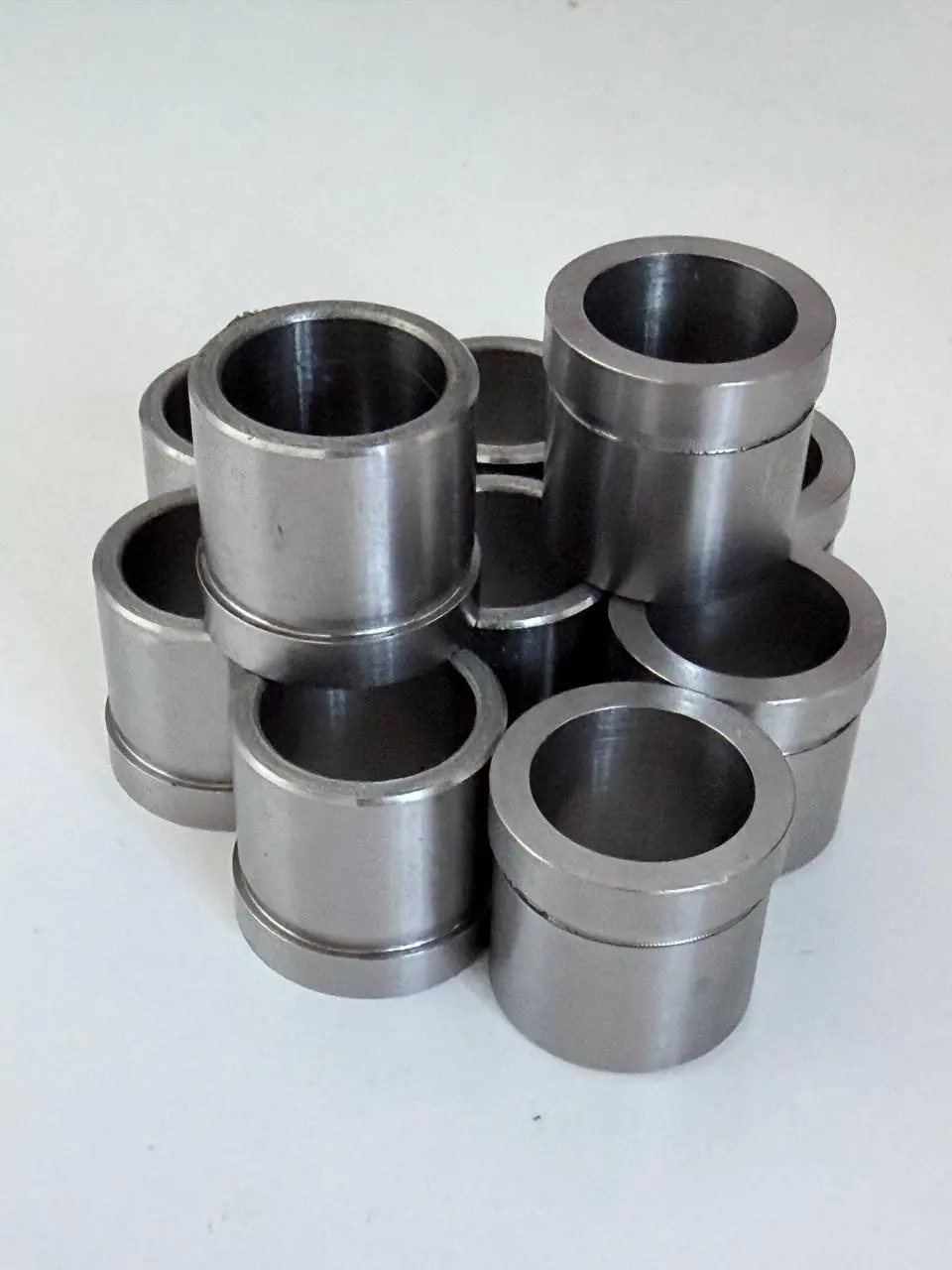
Material: steel 45. CNC turning. Batch — 750 pcs.
Lead times depend on the complexity of the part, material, quantity, availability of a drawing, and accuracy requirements. Simple turned parts can be manufactured faster, while complex or serial orders require more time for preparation, machining, and quality control.
The cost depends on the material, part diameter and length, profile complexity, number of operations, threads, grooves, accuracy, batch size, and additional surface or quality control requirements.
A CNC lathe can machine aluminum, steel, stainless steel, brass, bronze, copper, titanium, and engineering plastics. The final material choice depends on the purpose of the part, loads, and technical requirements.
Yes, a drawing, 3D model, or sample part can be provided for quotation. Before production begins, diameters, lengths, fits, threads, material, quantity, and technical requirements are clarified.
Accuracy depends on the material, part geometry, length, diameter, equipment, and drawing requirements. For critical parts, tolerances, fitting dimensions, coaxiality, runout, and quality control methods are agreed in advance.
Yes, both a single part and a small or serial batch can be manufactured. For one-off parts, it is important to provide the most precise technical specification possible to correctly estimate the cost and lead time.
Yes, external and internal threads, grooves, chamfers, seating surfaces, and other features can be produced according to the drawing. Non-standard threads or special profiles are agreed separately.
Upload a drawing or 3D model and we will prepare an accurate quote. Or simply describe your requirements, and we will help you work out the details.