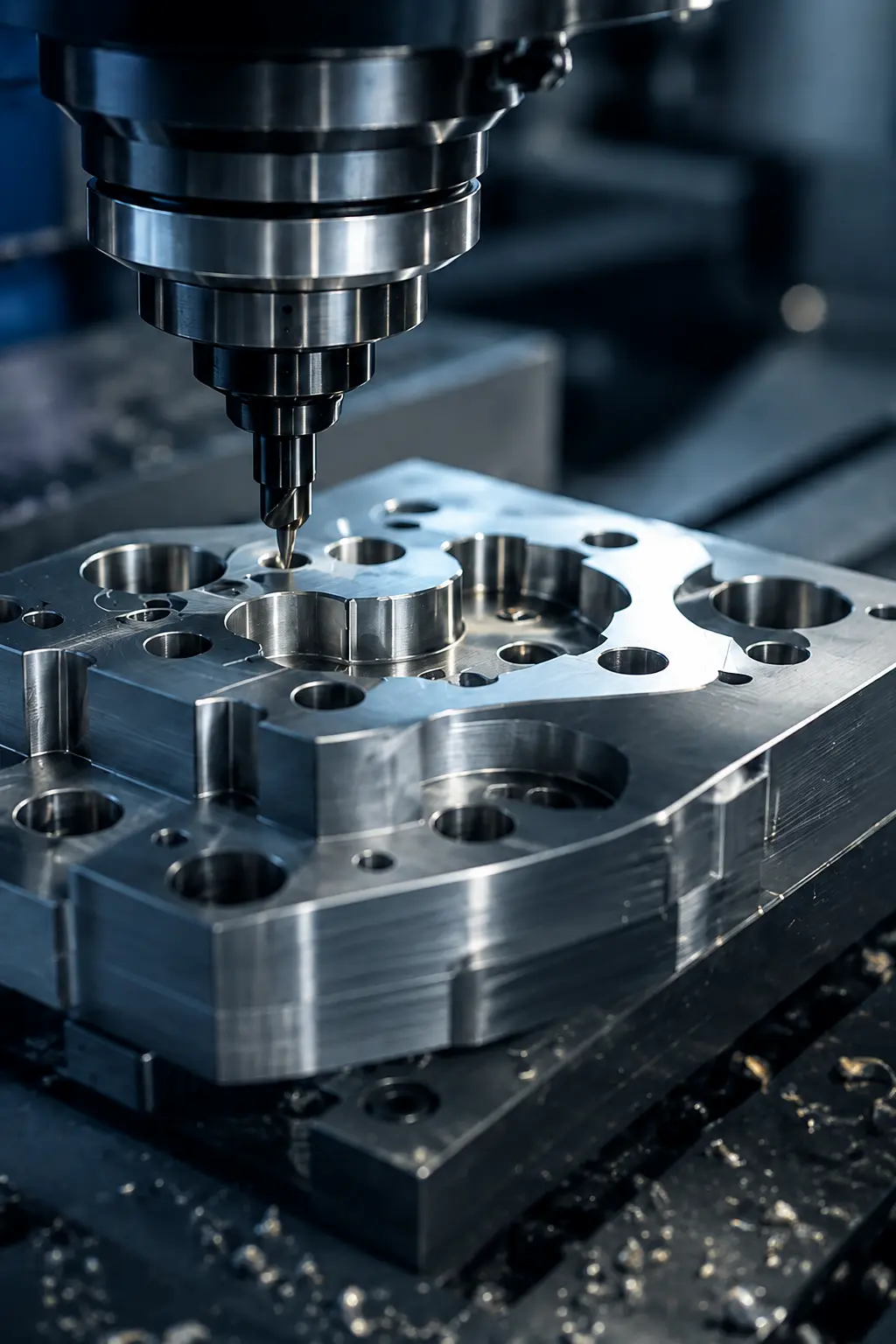
Starting with a Drawing
Send us a drawing, 3D model, or sample — we analyze the requirements, material, tolerances, and machining specifics and prepare a quotation.
We perform CNC milling based on drawings and 3D models: manufacturing parts from metal, plastic, and other materials for one-off and batch orders.
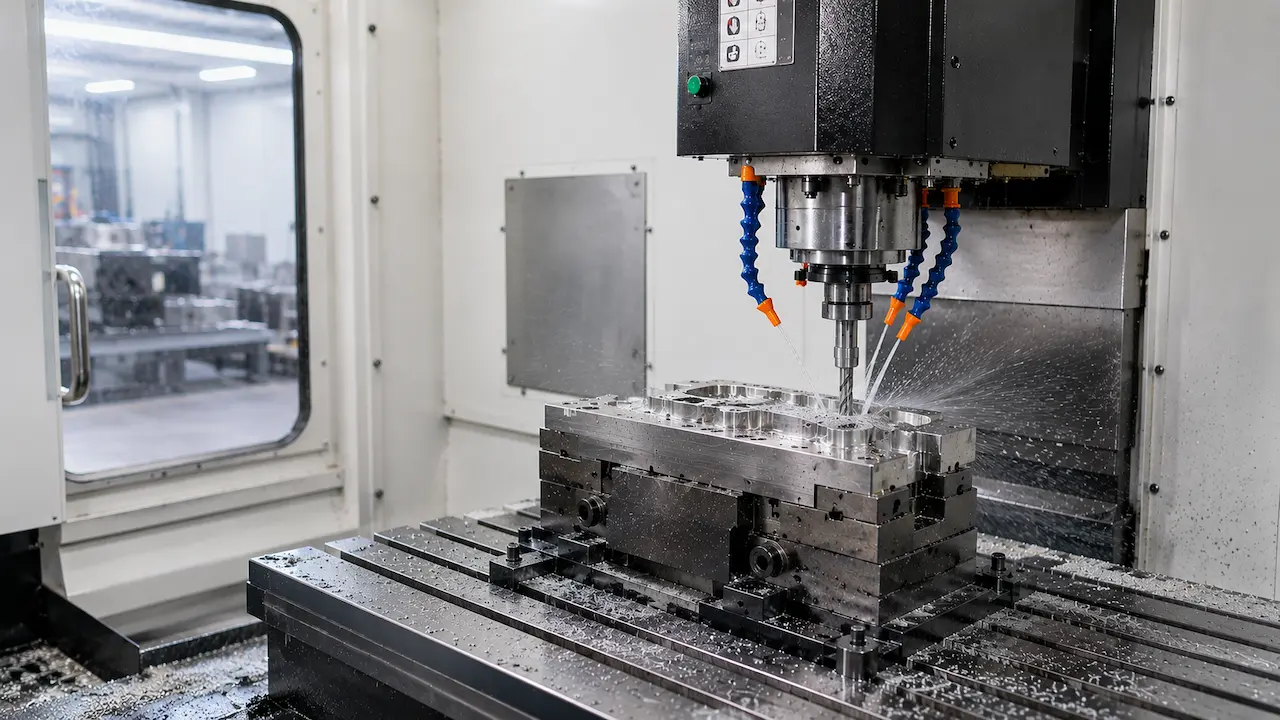
Precision
up to ±0.01 mm
Complex
part geometry
From 1 Part
to batch production
Steel, Aluminum
and other materials
Modern
CNC machining centers
Inspection
of every part
CNC milling is the mechanical machining of a material using a rotating cutting tool on a CNC machine. The program precisely reproduces the geometry from a drawing or 3D model: the machine removes material layer by layer until the finished part is produced with a tolerance of up to ±0.01 mm. The technology is reliable, predictable, and repeatable in batch production, which is why it is one of the most widely used methods of precision machining in industry. Flat and three-dimensional surfaces, internal pockets, threads, slots, and holes at any angle can all be produced from a drawing without expensive tooling, from the first part to a stable production batch.
CNC milling is suitable for a wide range of parts: housing components and drive assemblies, brackets and mounting plates, components for measuring and medical equipment, functional prototypes, and geometrically complex products. The technology is used in mechanical engineering, instrument manufacturing, and medical technology, and is equally effective for a one-off sample and for batch production with stable tolerances.
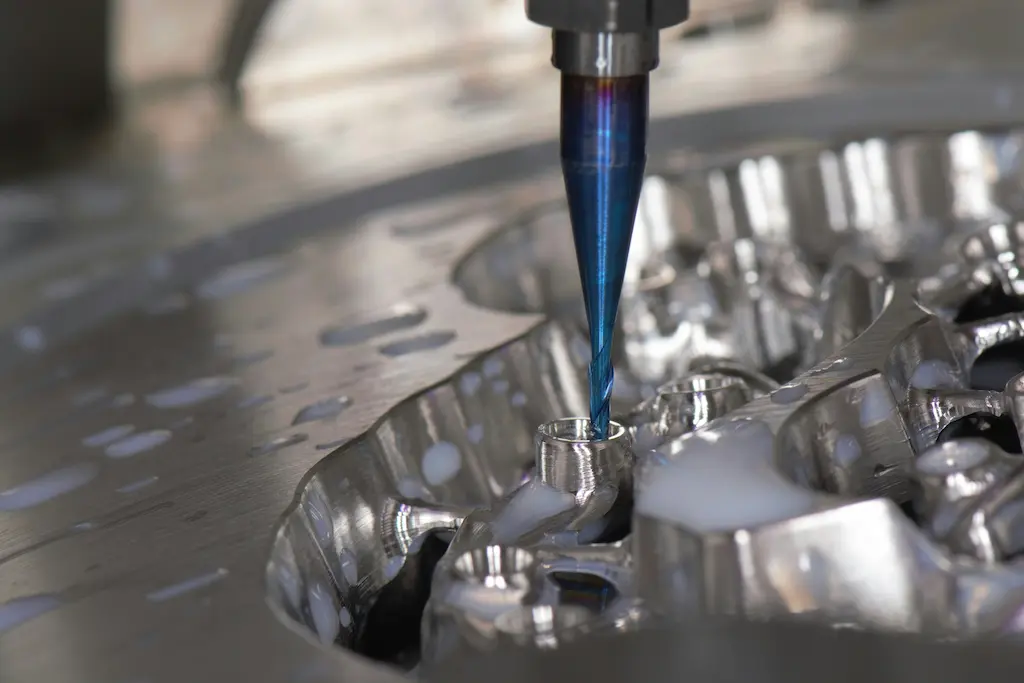
Aluminum is a versatile material for CNC machining. It offers a good strength-to-weight ratio, corrosion resistance, excellent machinability, and is suitable for precision parts.
Common grades:
Brass, bronze, and copper are easy to machine and offer high wear resistance, electrical conductivity, and thermal conductivity. These materials are suitable for parts requiring a high-quality surface finish and high precision.
Common materials:
Garolite is a strong composite material with excellent electrical insulation, heat resistance, and dimensional stability. It is used for precision technical parts where reliability is important.
Common grades:
Engineering plastics offer low weight, chemical resistance, electrical insulation, and low friction. They are suitable for prototypes, housing parts, guides, bushings, and components with complex geometry.
Common materials:
Stainless steel offers high strength, corrosion resistance, and durability. It is used for parts operating in humid, aggressive, or demanding environments.
Common grades:
Structural, carbon, and tool steels are suitable for strong and wear-resistant parts. They can be machined to precise tolerances and additionally heat-treated for increased hardness.
Common grades:
Titanium offers a high strength-to-weight ratio, corrosion resistance, and biocompatibility. It is used for demanding parts in the aerospace, medical, automotive, and industrial sectors.
Common grades:
Parts up to 2032 × 1219 × 610 mm can be milled. Actual limitations depend on the part geometry, material, equipment, and accuracy requirements.
For the main part dimensions, including length, width, height, diameter, and hole positions, the standard tolerance may be up to ±0.127 mm unless otherwise specified in the drawing.
Tolerances for form, parallelism, perpendicularity, symmetry, and angular dimensions depend on the part size, material, and machining complexity.
For metal parts, standard tolerances are generally applied in accordance with ISO 2768 unless other requirements are specified in the drawing. Tolerances for plastics and composites may be wider due to the properties of the material.
With a technical drawing and GD&T requirements, parts can be manufactured with increased precision. Tight tolerances are agreed separately before production begins.
The minimum size of holes, slots, walls, and other features depends on the tool, material, and machining depth. The approximate minimum value is 0.5 mm.
Standard metric and imperial threads, as well as custom threads based on a drawing, can be produced. Custom solutions require a separate technical review.
The standard surface quality depends on the material, tooling, and machining parameters. Additional finishing or a specific Ra requirement can be agreed upon when needed.
By default, sharp edges may be lightly broken and deburred after machining. If certain edges must remain sharp, this should be specified separately in the drawing.
Send us a drawing, 3D model, or sample — we analyze the requirements, material, tolerances, and machining specifics and prepare a quotation.
You receive a cost and lead time estimate before production begins — without unnecessary calls or waiting.
We verify that the finished parts comply with the drawing, agreed dimensions, and machining quality requirements.
You receive the parts without having to coordinate production and logistics — Axion Systems organizes everything.
Parts manufactured by CNC milling based on a drawing, 3D model, or technical specification.
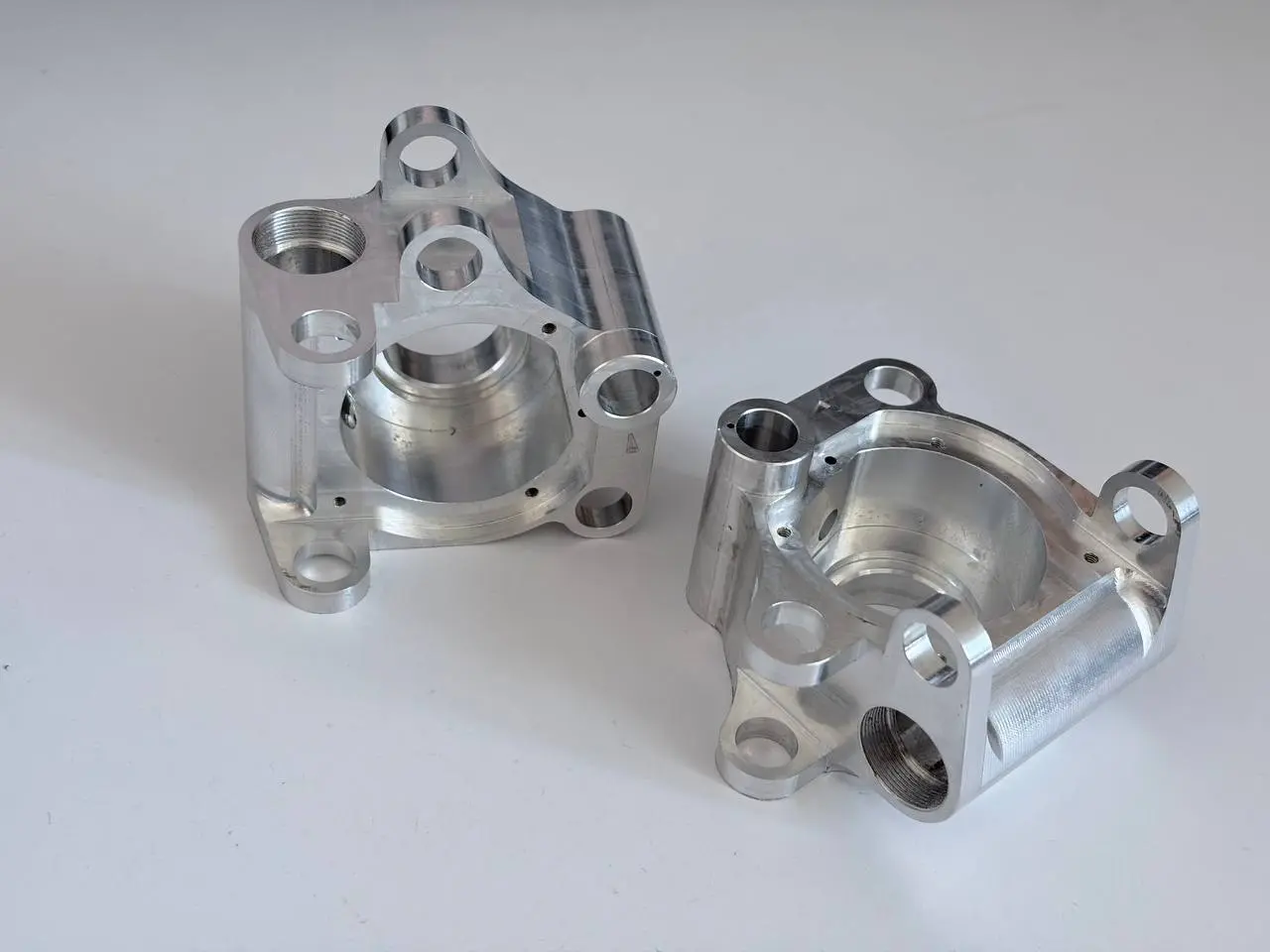
Material: D16 aluminum. CNC milling. Batch size — 35 pcs.
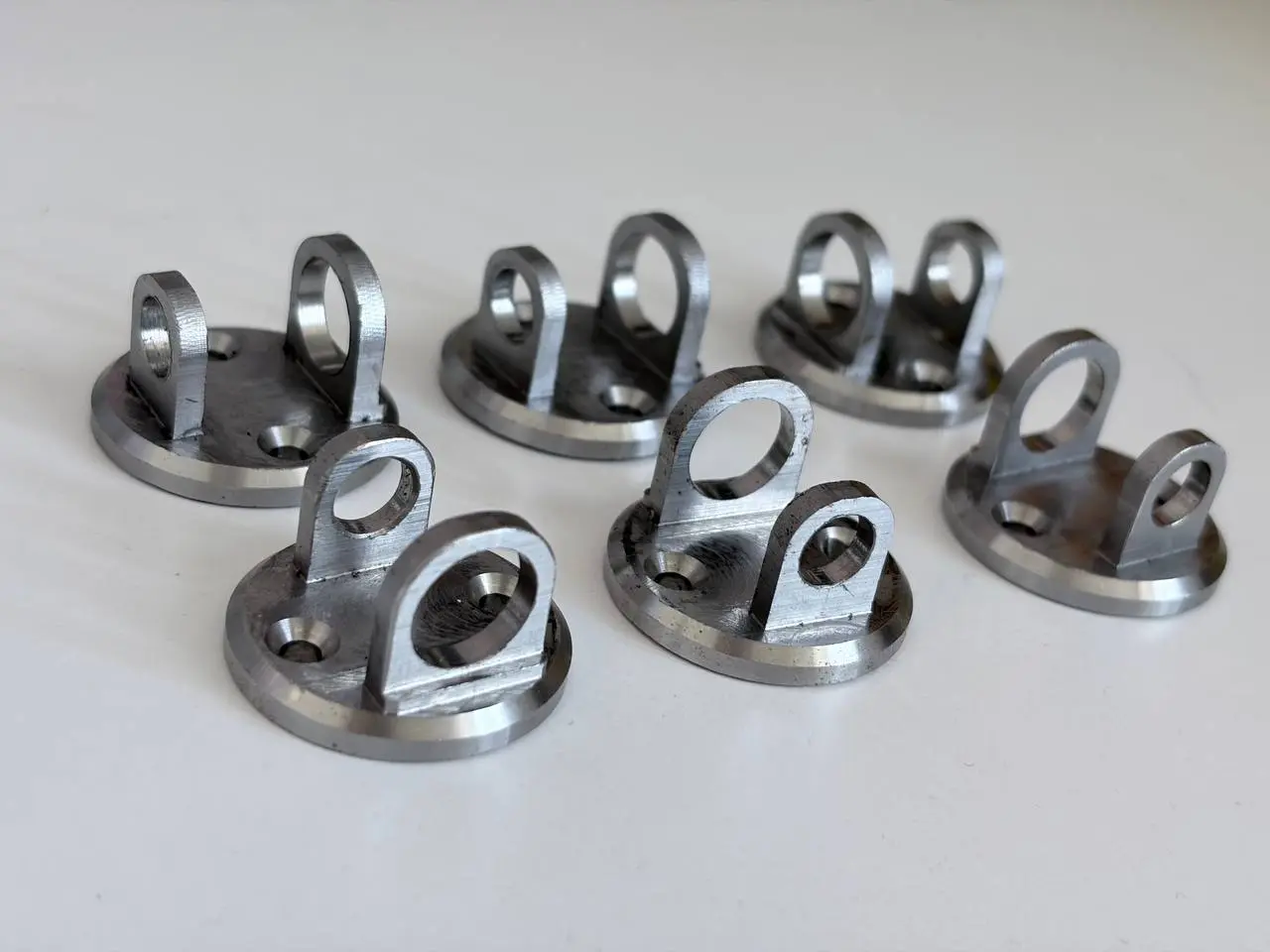
Material: Steel 20. CNC milling. Batch size — 20 pcs.
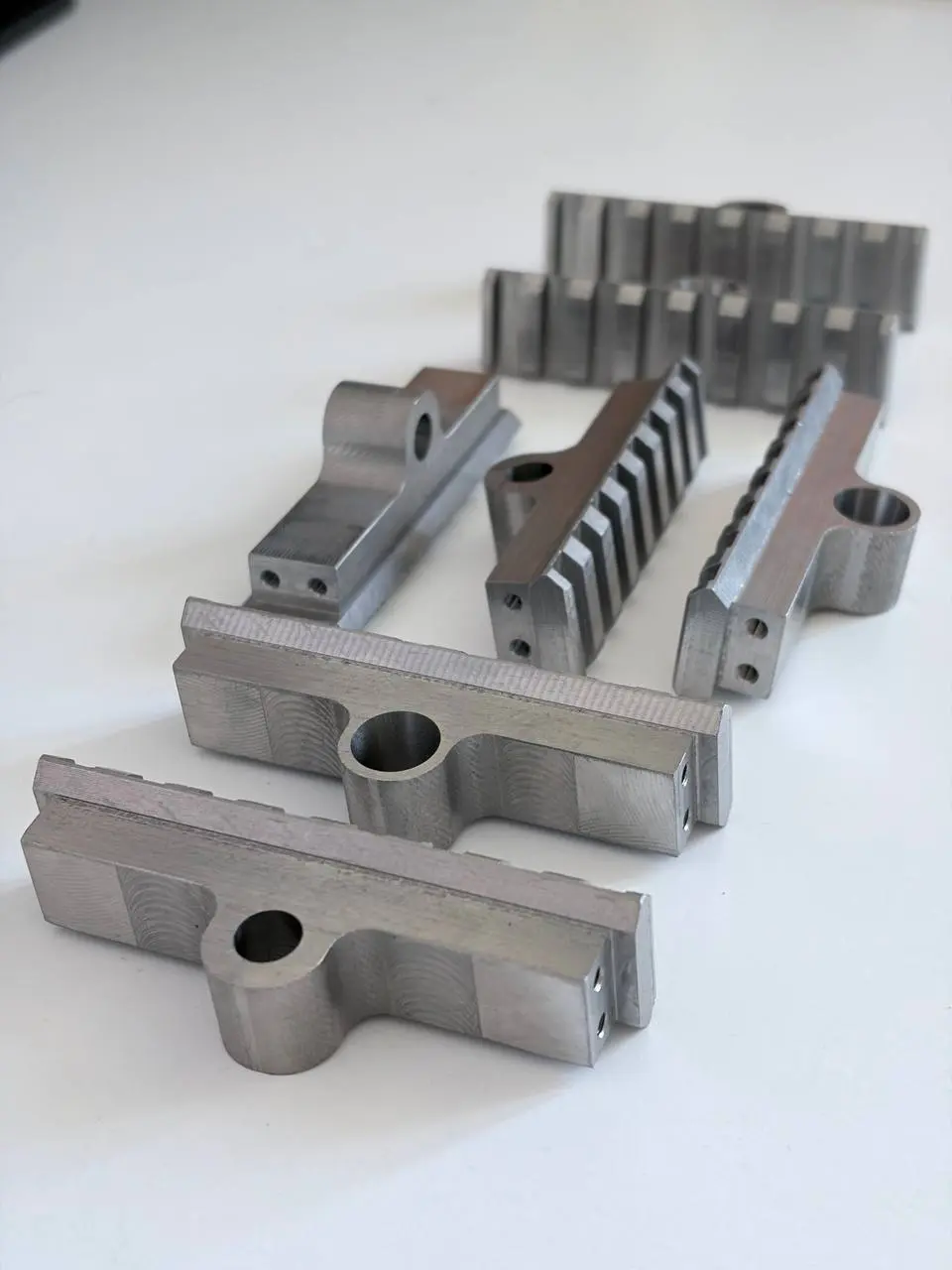
Material: Steel 20. CNC milling. Batch size — 120 pcs.
Simple one-off parts are usually manufactured within a few business days. Complex housings, parts requiring many machining operations, or batch orders take longer. An exact lead time can be provided after reviewing the drawing, material, quantity, and accuracy requirements.
The main pricing factors are the material, blank dimensions, machine time, number of setups, geometry complexity, tolerances, quantity, and finishing requirements. The more operations and precision dimensions specified in the drawing, the higher the cost.
The most commonly milled materials are aluminum, structural steels, stainless steel, brass, bronze, copper, and engineering plastics. Titanium and other difficult-to-machine materials are also possible but require a separate quotation due to the greater machining complexity.
Yes. For quotation purposes, it is best to provide a PDF drawing and a 3D model in STEP or STL format. If only a physical sample is available, it can be analyzed, but the dimensions, material, and tolerances must still be agreed upon for accurate manufacturing.
For most parts, accuracy within tenths or hundredths of a millimeter can be achieved. Exact tolerances depend on the material, part shape, blank rigidity, equipment, and measurement method. Critical dimensions should be specified in the drawing.
Yes, you can order a single part, a prototype, or a small batch. The price per part is usually higher for a single item because programming, machine setup, and quality control are required in the same way as for a batch.
Yes. After milling, the parts can undergo grinding, polishing, aluminum anodizing, painting, zinc plating, heat treatment, or another coating. The finishing process is selected according to the material, operating conditions, and appearance requirements.
Upload a drawing or 3D model and we will prepare an accurate quote. Or simply describe your requirements, and we will help you work out the details.