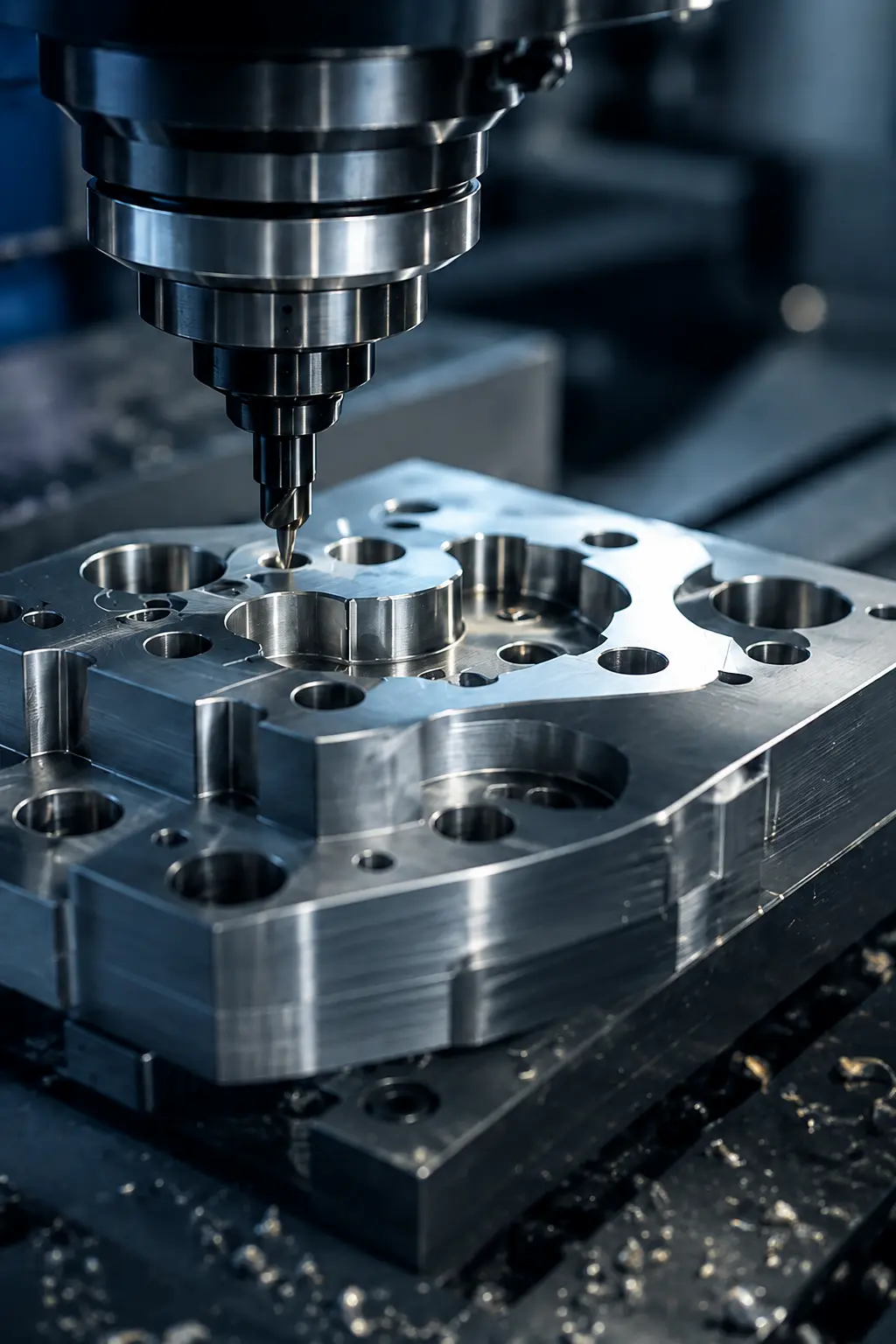
Start with a Drawing
Send us a drawing, DXF file, 3D model, or technical specification — we analyze the material, thickness, radii, angles, bend lines, and manufacturability of the part.
We provide metal bending based on drawings, 3D models, and technical specifications for one-off and serial orders: metal parts manufacturing includes brackets, enclosure components, covers, mounting plates, profiles, and other sheet metal products.
Metal thickness
0.2–16 mm
Sheet
metal of various thicknesses
From 1 part
to serial production
Steel, stainless steel
and aluminum
Modern
press brake machines
Geometry
control
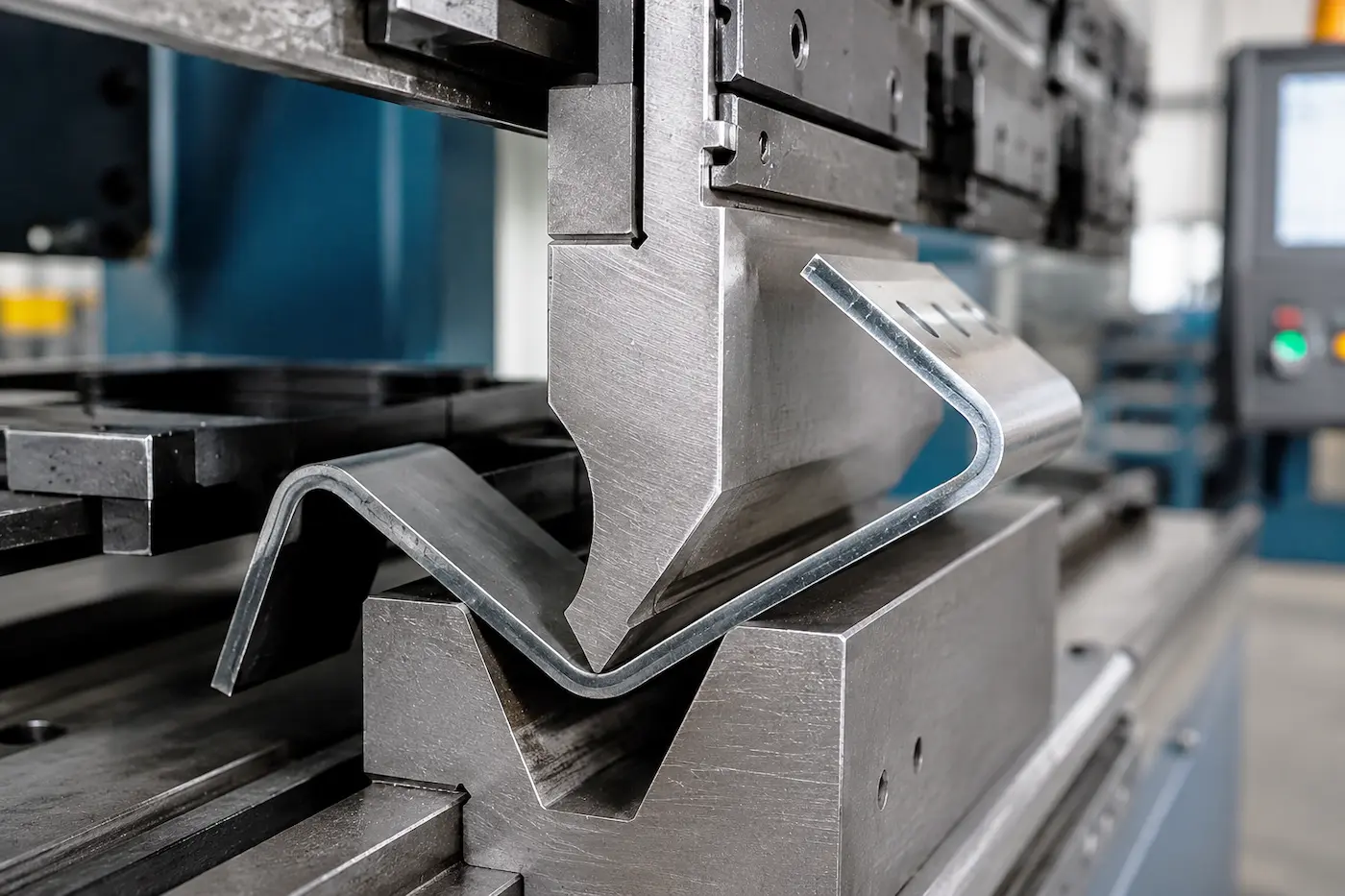
Metal bending is a forming process in which a sheet metal blank is bent to the required angle without removing material. The blank is placed on a press brake, where the punch and die create a controlled bend according to a drawing or 3D model. This method makes it possible to produce enclosure parts, brackets, covers, profiles, mounting elements, and other components with accurate angles, repeatable geometry, and a reduced number of welded joints.
Sheet metal bending is used to manufacture parts from carbon steel, stainless steel, aluminum, and other sheet materials. The technology is suitable for one-off orders, prototypes, small batches, and serial production where bend accuracy, dimensional stability, neat appearance, and compliance with the drawing are important.
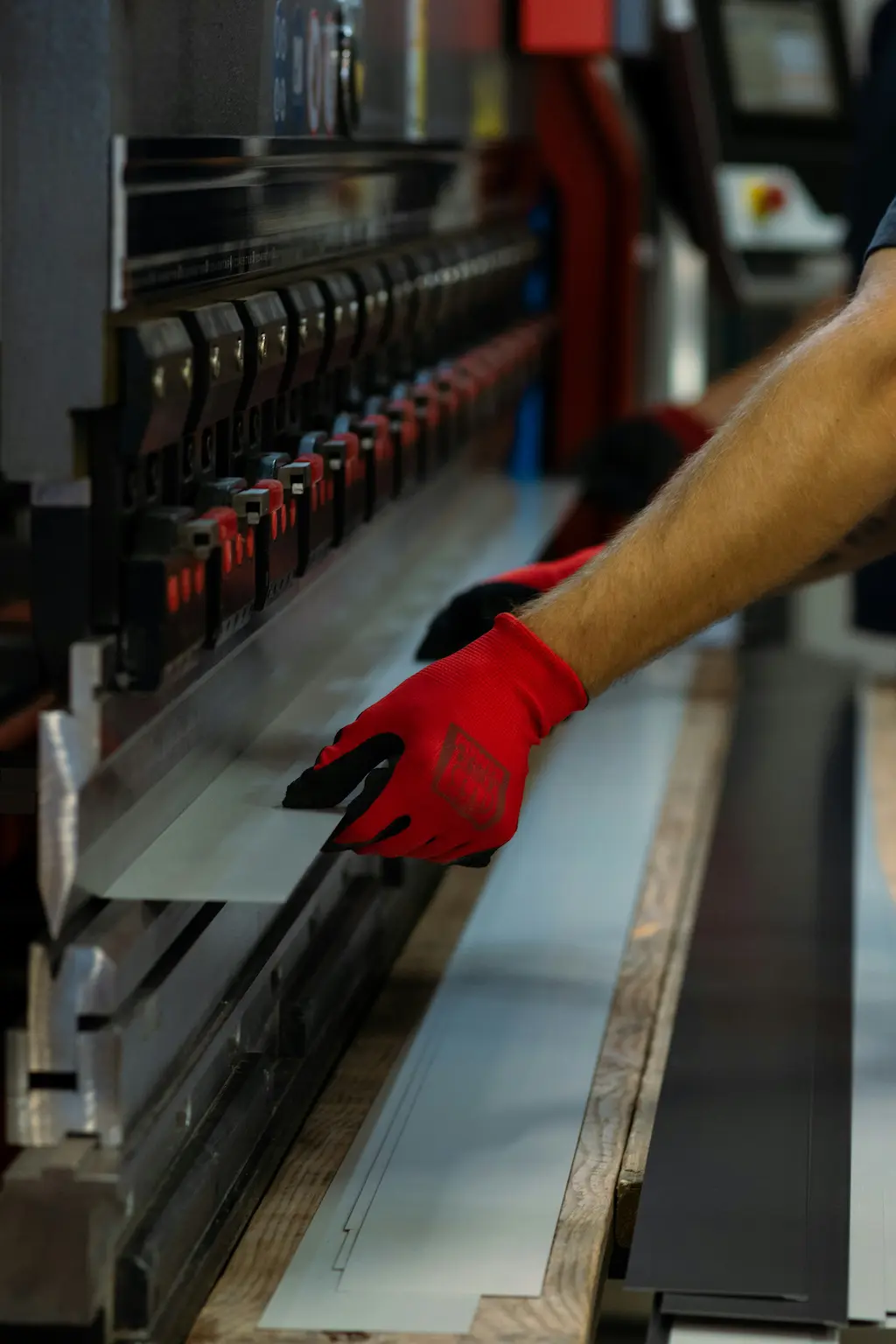
Structural steel is one of the most commonly used materials for sheet metal bending on a press brake. It is used to manufacture brackets, enclosure components, covers, mounting plates, profiles, stiffening ribs, and blanks for welding.
Typical materials:
Stainless steel is used for parts operating in humid, aggressive, food-processing, or decorative environments. Before bending, the steel grade, sheet thickness, bend radius, rolling direction, and surface requirements are taken into account.
Typical grades:
Aluminum is used for lightweight enclosure parts, panels, covers, decorative components, and mounting plates. Not all aluminum alloys have the same bendability, so the alloy grade, thickness, and minimum bend radius should be checked before production.
Typical grades:
Galvanized steel is suitable for boxes, covers, ventilation components, brackets, mounting parts, and products requiring basic corrosion protection. During bending, sheet thickness, coating condition, bend radius, and the risk of damaging the zinc layer must be considered.
Typical products:
Brass and copper are used for decorative, electrical, and specialized parts. Due to their softness, ductility, and susceptibility to tool marks, such orders should be evaluated separately based on a drawing or sample.
Typical materials:
In most cases, bending is performed after laser, plasma, or mechanical cutting, when the flat blank already has the required contour, holes, slots, and cutouts. Before production, the bend sequence, minimum flange sizes, bend radii, and tooling accessibility are checked.
Typical applications:
Depending on the type of metal, sheet thickness can range from 0.2 to 16 mm.
The maximum bend length is 3000 mm.
The maximum press force of the machine is 170 t.
The maximum distance between the machine columns is 3150 mm.
Bending at various angles is possible according to the drawing and the technological limitations of the part.
The inside bend radius depends on sheet thickness, metal type, and the selected tooling.
The minimum flange size depends on metal thickness, the inside bend radius, and the type of tooling used.
Send us a drawing, DXF file, 3D model, or technical specification — we analyze the material, thickness, radii, angles, bend lines, and manufacturability of the part.
Receive a cost estimate and lead time before production begins, without unnecessary calls or delays.
We check finished parts for compliance with the drawing, agreed dimensions, bend angles, flange sizes, radii, and overall geometry.
Receive finished bent parts without coordinating production and logistics yourself — Axion Systems manages the entire process.
Examples of parts that can be manufactured using sheet metal bending.
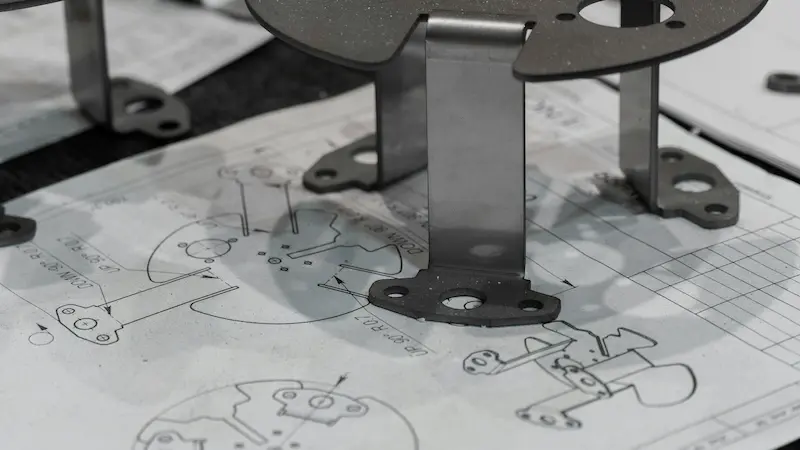
Manufacturing sheet metal parts according to drawings with subsequent bending and forming into finished brackets.
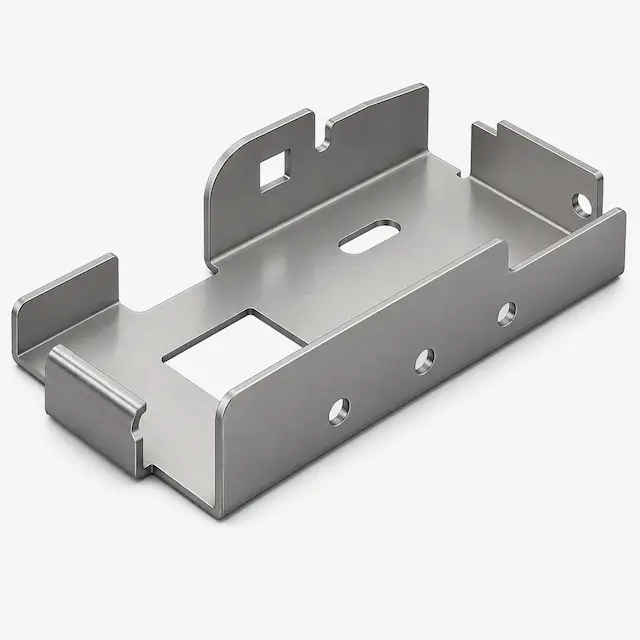
Forming a sheet metal blank with multiple bends, mounting holes, and functional cutouts.
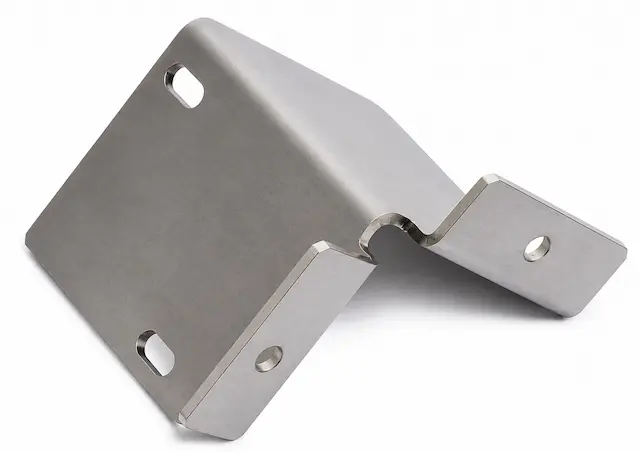
Bending a sheet metal blank to form multiple planes, mounting flanges, and fastening holes.
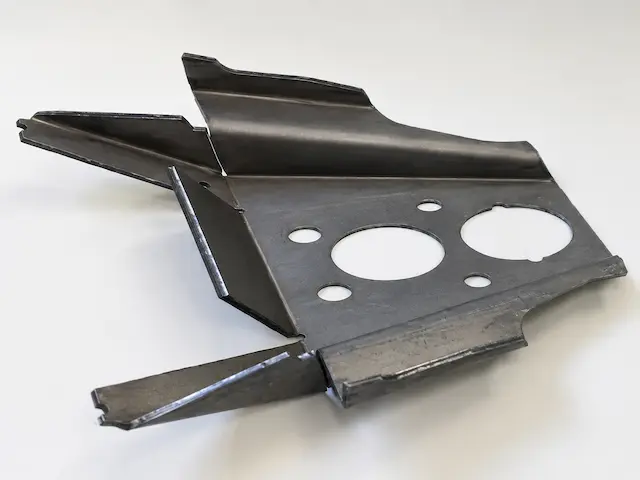
Forming a sheet metal blank with multiple bends, mounting holes, cutouts, and stiffening flanges.
One-off parts or small batches are typically completed within 1–3 business days. Serial orders, complex geometry, or parts with a large number of bends may require 3–7 business days.
The price depends on metal thickness, bend length, number of bends, part complexity, and batch size.
Carbon steel, stainless steel, galvanized steel, aluminum, brass, and other sheet metals can be bent.
For a quote, it is preferable to provide a PDF drawing, DXF/DWG file, or 3D model specifying the material thickness, bend angles, and bend lines.
Upload a drawing or 3D model and we will prepare an accurate quote. Or simply describe your requirements, and we will help you work out the details.